
Mixing & Mastering Group Course
Learn the complete mixing and mastering workflow through a structured live batch—with practical demonstrations, project feedback, doubt clearing and a clear step-by-step approach.
Basic Details of October Batch
- Starting On 1 October 2026
- Registration Open
- Classes 3 Classes Every Week
- Duration 4 Weeks
- Session Time 2 Hours Per Session
- Batch Limit Maximum 8 Students
- Instructor Vrishaank
- Language Hindi / Hinglish
- Mode Online Live Classes on Zoom
Why This Course?
Mixing and mastering can feel confusing because every tutorial suggests different settings, plugins and techniques. What you actually need is a clear workflow, proper listening skills and practical feedback on real music.
Random Tutorials Create Confusion
You may understand individual tools like EQ and compression, but still struggle to connect everything into one complete mixing workflow.
Your Mix Does Not Translate
A mix may sound good on headphones but become muddy, harsh or unbalanced when played on speakers, phones or other systems.
Vocals Do Not Sit in the Mix
Vocals often sound disconnected, buried or too loud because balancing, EQ, compression and effects are not working together.
Mastering Becomes Guesswork
Without a properly prepared mix and clear mastering process, increasing loudness can create distortion and reduce clarity.
Better Mixing Requires 3 Things

YouTube tutorials can explain tools and techniques, but they cannot listen to your mix, identify exactly where you are going wrong or give you personal feedback. This live course gives you a structured workflow, practical assignments, real-time doubt clearing and corrections—so you don’t just collect information, you actually improve your mixes.
Who Is This Course For?
This course is for music creators who want a clear, practical and guided approach to mixing and mastering—not another collection of random plugin settings.

Music Producers
For producers who can create and arrange music but struggle to make their final mixes sound balanced, clear and professionally finished.

Independent Artists
For independent artists who want more control over their sound and want to mix and master their own releases with confidence.
Home Studio Producers
For home studio creators who want to achieve cleaner and more professional results using the setup and tools they already have.

Singers & Vocalists
For singers who record at home and want to understand vocal editing, processing and how to make vocals sit naturally inside the music.

Self-Taught Mixing Learners
For learners who have watched countless tutorials but still feel confused about what to process, why to process it and in what order.

Aspiring Mixing Engineers
For learners who want to develop critical listening, improve their decision-making and build a reliable workflow for mixing real songs.
What You Will Learn
Inside the Mixing Room
Go beyond random presets and plugin settings. Learn how a mixer listens, thinks, makes decisions and transforms raw tracks into a balanced, emotional and release-ready master.
The Mixer’s Mindset
Learn to hear the real problem before reaching for a plugin.
- What mixing actually means beyond making tracks sound “better”
- The difference between technical mixing and emotional mixing
- How a professional mixer approaches a completely raw session
- Listening for balance, tone, depth, movement and emotion
- Identifying the main focus and supporting elements of a song
- Knowing what the song needs before choosing any processing
- Making decisions with intention instead of copying settings
- Avoiding over-processing and unnecessary plugin chains
- Developing confidence and trusting your ears
Session Preparation & Gain Structure
Build a clean session so the actual mixing process becomes faster and clearer.
- Importing, organising and colour-coding multitracks
- Correct track naming and session organisation
- Checking files for noise, clicks, phase and recording problems
- Basic editing, cleanup and clip-gain correction
- Understanding signal flow inside the DAW
- Gain staging without chasing unnecessary numbers
- Creating groups, buses, auxiliaries and effect returns
- Setting up a practical and repeatable mixing template
- Choosing reference tracks that actually match the production
Building a Powerful Static Mix
Discover how much of a professional mix can be created using only volume and panning.
- What a static mix is and why it controls the final result
- Finding the emotional centre and focal point of the song
- Creating balance before adding EQ or compression
- Establishing the relationship between vocals and instruments
- Balancing kick and bass without depending on plugins
- Using panning to create separation and musical width
- Understanding foreground, middle ground and background
- Finding headroom naturally through better balance
- Testing whether the arrangement is helping or fighting the mix
- Knowing when the static mix is ready for processing
EQ: Create Space Without Making Things Thin
Stop searching for fixed frequencies and start making musical EQ decisions.
- Understanding frequency range, harmonics and tonal balance
- Recognising mud, boxiness, harshness, nasal tone and dullness
- Knowing when to use subtractive or additive EQ
- Using high-pass and low-pass filters without damaging the sound
- Creating separation between instruments occupying similar frequencies
- Using narrow and broad EQ moves for different purposes
- Tone shaping versus corrective equalisation
- Understanding Mid/Side EQ and where it is genuinely useful
- Using dynamic EQ to control changing frequency problems
- Making EQ decisions in context instead of mixing tracks in solo
Compression, Dynamics & Transients
Understand what compression is doing to the emotion, punch and movement of a sound.
- Understanding threshold, ratio, attack, release and knee
- Hearing compression instead of only watching gain reduction
- Controlling dynamics without making performances lifeless
- Using attack and release to shape punch and sustain
- Compression approaches for vocals, drums, bass and instruments
- Peak control versus overall dynamic control
- Serial compression for smoother and more transparent results
- Parallel compression for density, energy and excitement
- Sidechain compression and frequency-dependent ducking
- Using gates, expanders and transient shapers effectively
Saturation, Colour & Harmonic Control
Learn how subtle harmonic processing can make a clean mix feel rich and alive.
- Understanding saturation and harmonic distortion
- The tonal differences between tape, tube and transistor colour
- Adding warmth, density and perceived loudness
- Using saturation on vocals, bass, drums and instruments
- Parallel distortion for aggression without losing the original sound
- Enhancing dull recordings without creating harshness
- Using exciters carefully and avoiding artificial brightness
- Knowing when colour improves a mix—and when it makes it worse
Depth, Space, Reverb & Delay
Place every element inside a believable space instead of covering the mix in reverb.
- Understanding depth as front, middle and back placement
- Choosing between room, plate, hall and chamber reverbs
- Controlling pre-delay, decay, damping and reverb tone
- Creating short ambience without making the mix sound washed out
- Using tempo-based delays to support the groove
- Slap, stereo, ping-pong and filtered delay techniques
- Using EQ, compression and ducking on effect returns
- Creating contrast between dry, intimate and spacious sections
- Building width while protecting mono compatibility
- Using automation to make effects appear only when needed
Complete Vocal Mixing
Make the vocal sound clear, controlled and present while still belonging to the music.
- Preparing, cleaning and organising lead and backing vocals
- Clip gaining and manually controlling uneven vocal levels
- Removing unwanted noise, breaths, clicks and resonances
- Corrective EQ without making the voice unnatural
- Controlling sibilance using de-essing and dynamic EQ
- Building a smooth vocal compression chain
- Adding presence, air, warmth and controlled brightness
- Making vocals sit inside the track instead of floating above it
- Designing vocal reverbs and delays that support the lyrics
- Mixing doubles, harmonies, ad-libs and backing vocals
- Using automation to maintain emotion and intelligibility
- Creating a polished and modern vocal sound across different genres
Instrument Mixing, Automation & Mix Bus
Turn individually processed tracks into one connected and emotionally moving mix.
- Building a controlled relationship between kick and bass
- Creating punch, weight and clarity in drum sections
- Mixing guitars, keys, synths and acoustic instruments
- Controlling layers without losing the size of the arrangement
- Using group and bus processing to create cohesion
- Automating volume, panning, effects and tonal changes
- Making verses, choruses and transitions feel different
- Using mix-bus compression without crushing the mix
- Using EQ, saturation and clipping on the mix bus
- Preparing alternate versions, instrumentals and stems
Mix Translation & Professional Finishing
Make decisions that continue to work outside your studio and headphones.
- Using references without copying somebody else’s mix
- Comparing references at a properly matched listening level
- Checking tonal balance, dynamics, width and low-end control
- Testing mixes on headphones, speakers, phones and small systems
- Understanding why a mix sounds different on different devices
- Checking mono compatibility and phase-related problems
- Working at safe monitoring levels and avoiding ear fatigue
- Knowing when a mix needs correction and when it is actually finished
- Creating a final mix print with correct headroom and export settings
Audio Mastering for Release
Create a competitive master while preserving the punch and emotion of the mix.
- Understanding the real purpose of mastering
- Knowing whether a problem should be fixed in the mix or master
- Preparing and importing the final mix for mastering
- Using spectrum, loudness, phase and stereo analysers
- Correcting tonal balance with transparent EQ
- Controlling macro dynamics and excessive peaks
- Using compression, saturation, clipping and limiting
- Achieving loudness without destroying punch or clarity
- Understanding LUFS, true peak and streaming normalisation
- Checking stereo image, phase and mono compatibility
- Exporting high-quality masters for streaming and distribution
How to Become a Better Mixer
Build a repeatable improvement system instead of depending on new plugins and presets.
- Training your ears to recognise frequency and dynamic problems
- Learning to describe what you hear using clear mixing language
- Practising one skill at a time instead of changing everything together
- Recreating professional balances using reference exercises
- Comparing your older and newer mixes objectively
- Finding the weakest part of your workflow and improving it first
- Learning from feedback without blindly following every opinion
- Creating a personal checklist for every new mix
- Finishing more mixes instead of endlessly changing them
- Developing your own taste, workflow and mixing identity
12 Live Sessions. One Complete Mixing System.
Every concept is explained through practical demonstrations, real mixing decisions and project-based feedback—not isolated plugin settings.
Don’t Just Read About It.
Hear the Difference.
Listen to how balance, clarity, depth and controlled processing can transform a raw mix into a polished and release-ready track. Use headphones for the best experience.
From Raw Balance to Final Mix
Hear how proper balancing, EQ, compression and depth processing can transform the same production.
From Unclear to Clean & Powerful
Compare the original version with the finished result and notice the improvement in separation, vocal placement and overall impact.
Compare both versions at a similar listening level to hear the changes in clarity, balance, depth and dynamics.
How Live Group Learning Works
From joining the batch to building your own repeatable mixing and mastering workflow.
Reserve Your Seat
Confirm your registration and secure your place in the upcoming Mixing & Mastering Group Course.
Join the Private Batch Group
Receive your class links, reminders, assignments and important batch updates in one place.
Learn Live With Vrishaank
Attend three live classes every week and understand each concept through practical DAW demonstrations.
Watch Real Songs Being Mixed
See how raw tracks are balanced, processed, mixed and mastered through real decision-making.
Practise Between Classes
Apply the techniques to your assignments and develop your ears through consistent practical mixing.
Submit Your Mixes for Feedback
Understand what is working, what needs correction and how to improve your next mixing decision.
Revisit Every Live Session
Review the class recordings, revisit difficult concepts and practise the demonstrated workflow at your own pace.
Build Your Own Mixing System
Complete the course with a structured workflow you can confidently repeat on your future songs and projects.
You don’t just learn plugins. You learn how to think, listen and make decisions like a mixer.
Learn From Someone Who Does This Every Day
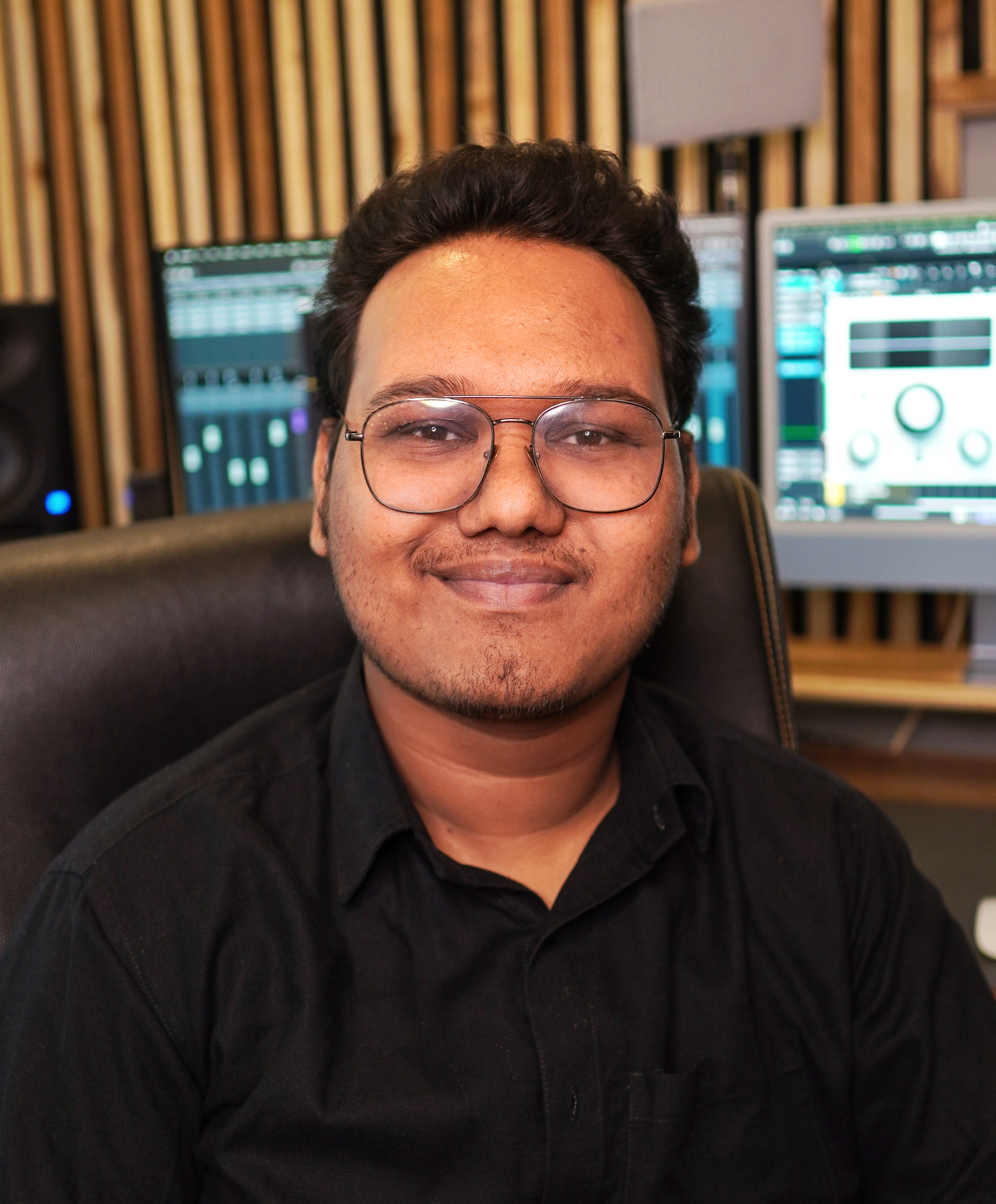
The Mixing & Mastering Group Course is taught by Vrishaank, founder of Trichord Academy of Music, with years of practical experience in music production, mixing and training music learners.
Vrishaank
Hi, I’m Vrishaank—an independent artist, music producer, mix engineer and founder of Trichord Academy of Music.
Over the last 8+ years, I’ve trained music learners through YouTube, live sessions and online courses. My teaching approach is simple and practical: understand what you are hearing, identify the actual problem and then choose the right solution.
Most learners struggle with mixing not because they lack plugins, but because they don’t know what to listen for. They keep changing EQ settings, adding compression and trying new presets without understanding what the song actually needs.
In this course, I’ll help you develop that missing decision-making process—from building a strong static mix to controlling frequencies, dynamics, vocals, depth, mix-bus processing and final mastering.
Everything will be demonstrated using real sessions, followed by practical assignments, doubt clearing and feedback—so you can understand not only what to do, but also why you are doing it.
8+ Years of Training Musicians & Music Creators
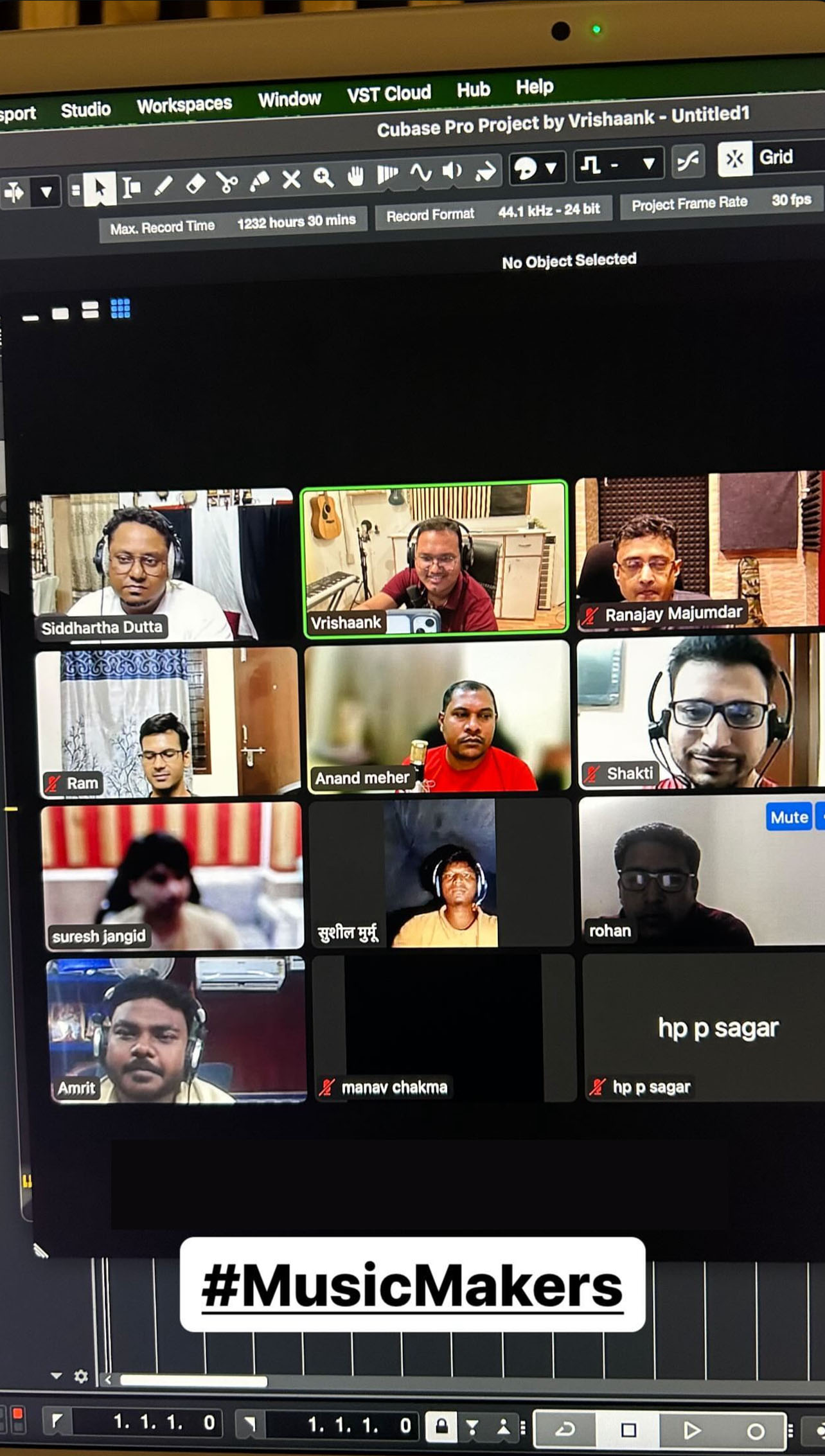
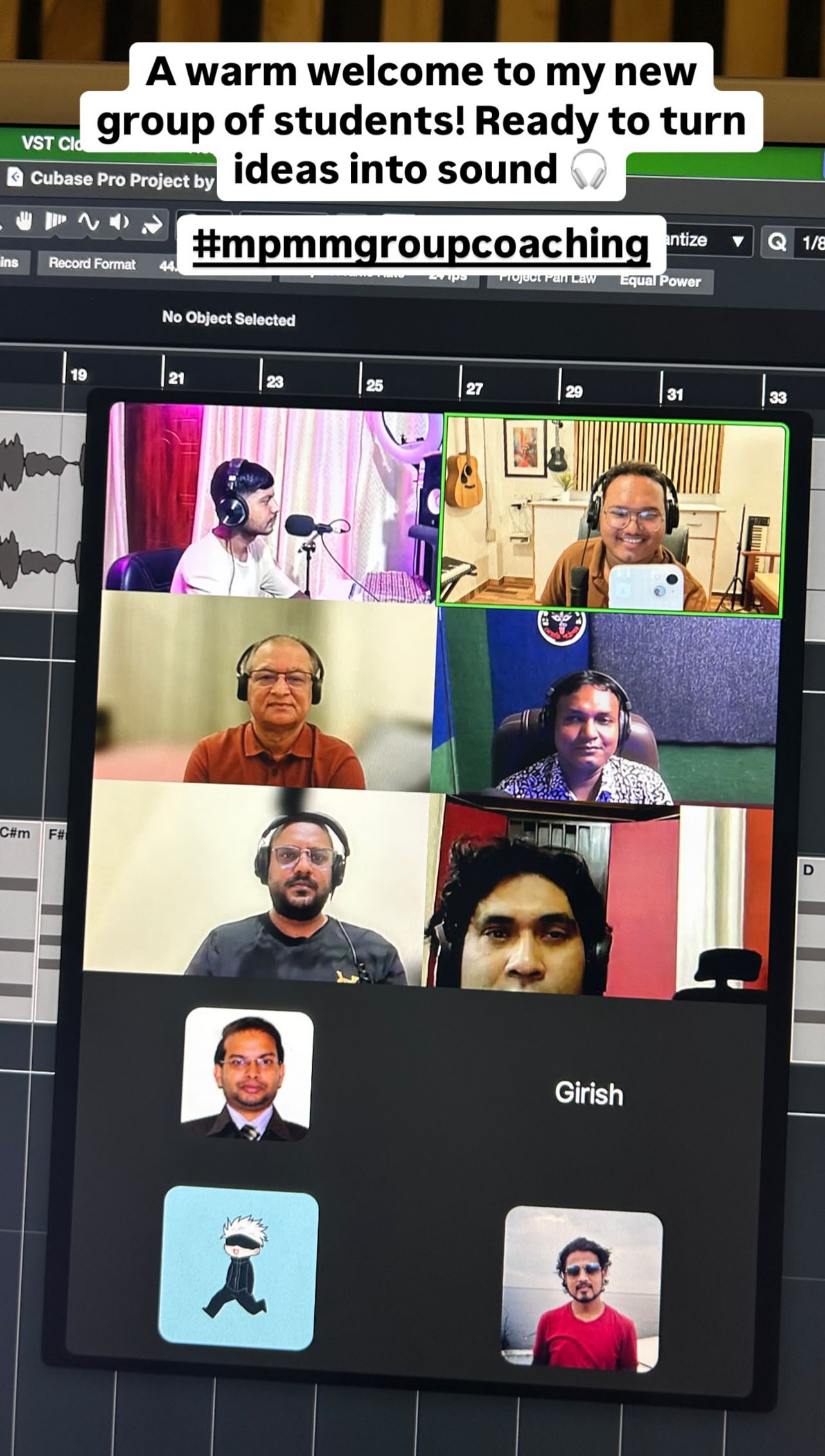
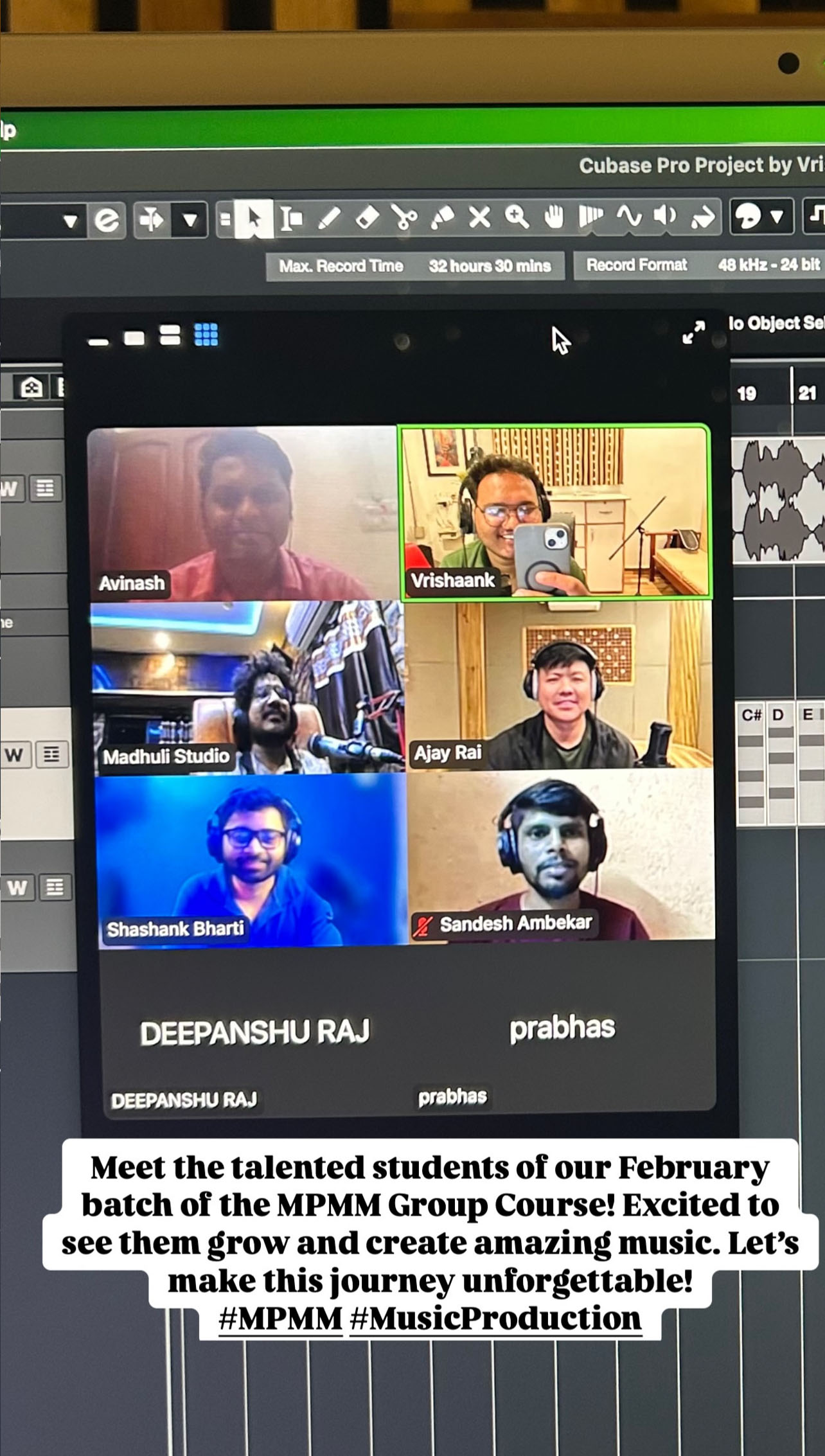
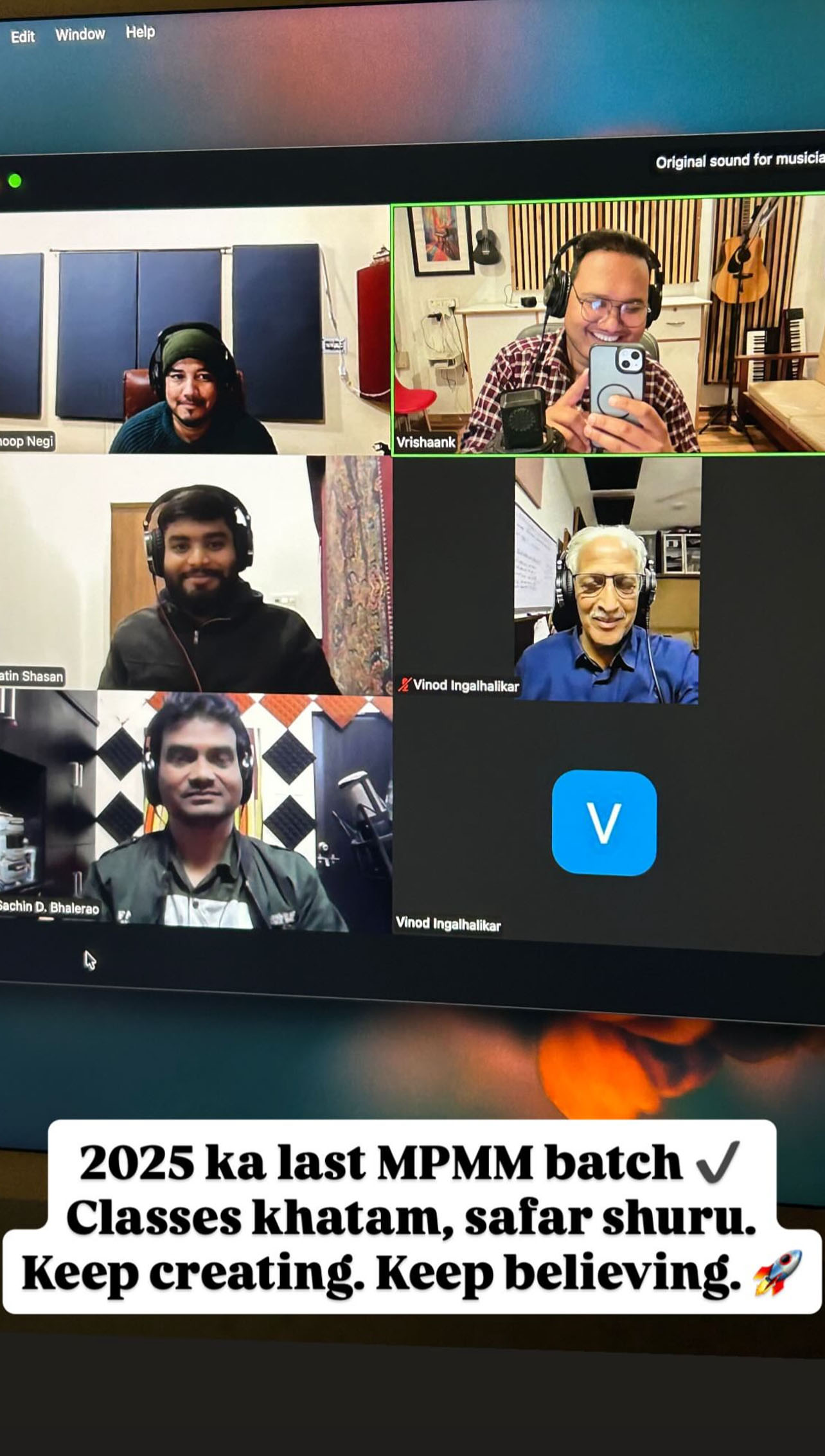
Real moments from our live group classes at Trichord Academy—where students learn through practical demonstrations, open discussions, doubt clearing and real DAW workflows.
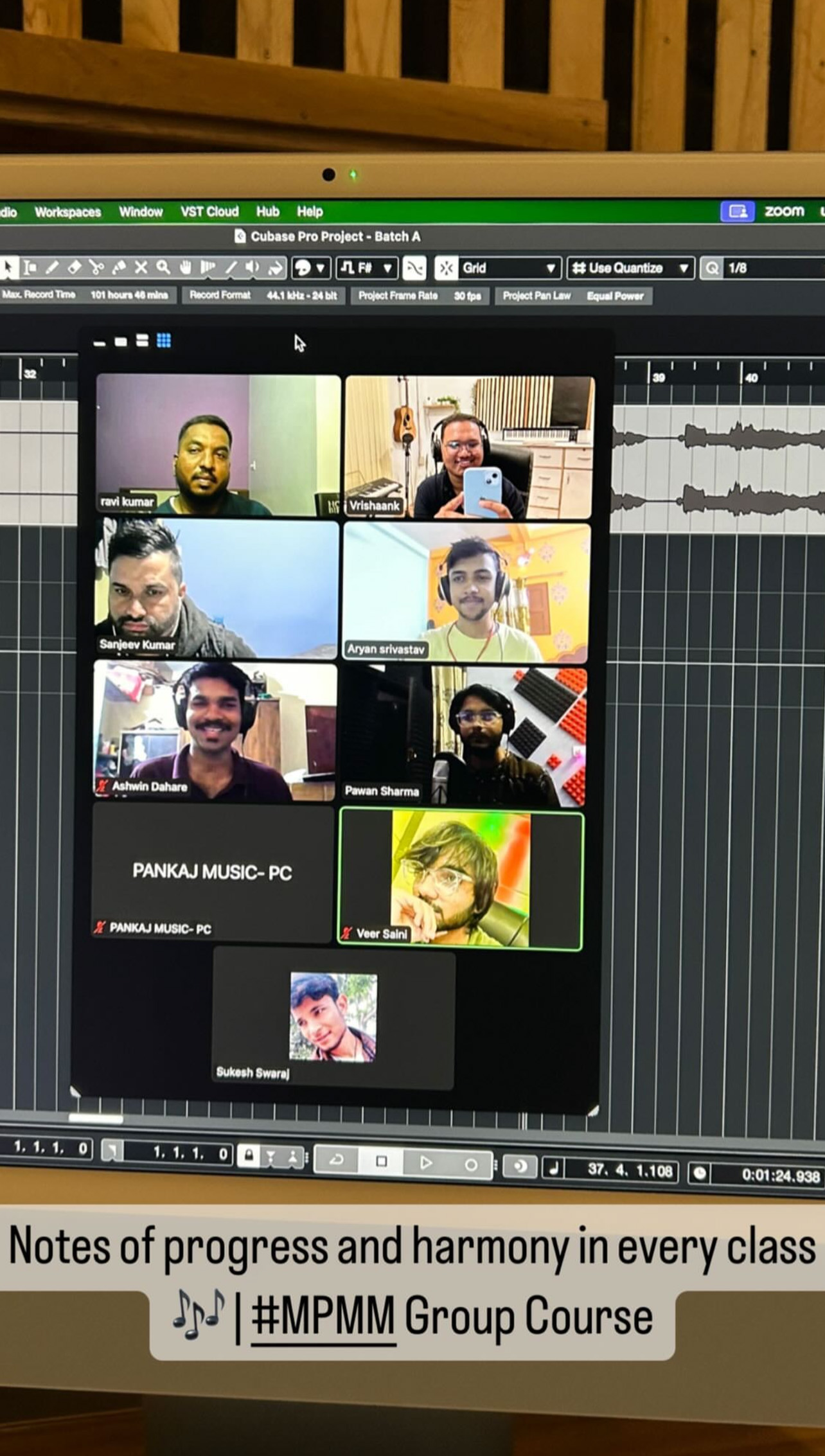
This is the live learning environment you become a part of inside the Mixing & Mastering Group Course—practical classes, real demonstrations, project feedback and direct interaction with Vrishaank.
Need More Details Before Joining?
Get complete information about the Mixing & Mastering Group Course, batch schedule, class recordings, requirements and registration process.
Join the Upcoming
Mixing & Mastering Live Batch
A focused four-week live program with practical demonstrations, class recordings, assignments, project feedback and direct guidance from Vrishaank.
October Batch Details
Reserve Your Seat
Complete Mixing & Mastering Group Course with 12 live sessions, recordings, practical assignments, doubt clearing and project feedback.
This special offer is valid only for October batch registration.
Frequently Asked Questions
Quick answers before joining the Mixing & Mastering live batch.
View Batch Details